
High-Quality Gr1 Titanium Rod Procurement Guide: Performance Checks and Supplier Risks
A practical guide for buyers comparing Gr1 titanium rod suppliers, quality records, surface conditions, delivery risks, and application-specific specifications.
Use this article as an initial technical reference. Final material selection should also confirm grade, dimensions, tolerances, standards, quantity, and the actual service environment.
A practical guide for buyers comparing Gr1 titanium rod suppliers, quality records, surface conditions, delivery risks, and application-specific specifications.
Why Gr1 titanium rod is specified in demanding projects
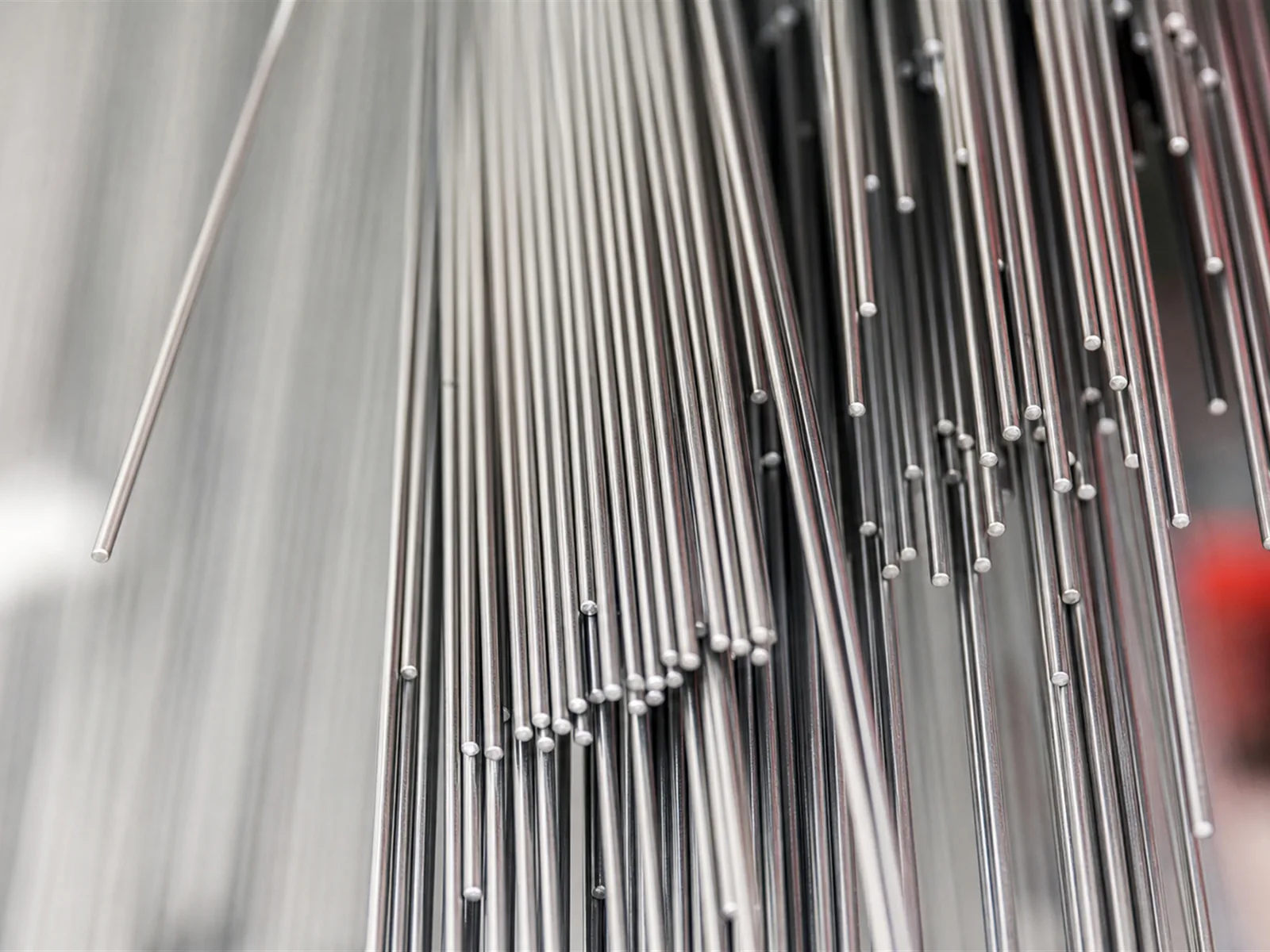
Gr1 titanium rod is commercially pure titanium with very high purity, excellent ductility, low density, and reliable corrosion resistance in neutral or oxidizing environments. These properties make it useful for chemical equipment, medical devices, precision electronics, marine hardware, and lightweight industrial parts.
For procurement teams, the main question is not whether Gr1 titanium can be found, but whether the supplier can keep chemistry, microstructure, dimensions, surface quality, and documentation stable from batch to batch. A low unit price can quickly become expensive if the rod fails inspection, requires excessive machining allowance, or cannot be traced back to a controlled heat lot.
Key supplier checks before placing an order
A qualified supplier should control melting, forging or rolling, annealing, straightening, peeling, polishing, inspection, and packing. For higher-risk applications, request heat numbers, material test certificates, ultrasonic or eddy-current testing records, tensile data, chemical composition, and surface inspection photos before shipment.
Do not rely on a catalogue diameter alone. Confirm actual diameter tolerance, length tolerance, straightness, ovality, surface condition, minimum order quantity, available stock, and whether the rods can be packed to avoid scratches or iron contamination during export handling.
Typical application requirements
Chemical equipment usually values corrosion resistance, weldability, and stable passivation. Medical and precision parts may require cleaner surfaces, controlled residues, and strong traceability. Electronics and vacuum equipment place more emphasis on magnetic cleanliness, surface roughness, hydrogen control, and dimensional stability.
If the rod will be machined into shafts, fasteners, pins, fixtures, or welded assemblies, the purchase order should define both the material standard and the downstream process. This helps the supplier choose the right annealed, peeled, ground, polished, or pickled condition instead of shipping a generic bar.
Common purchasing traps
The most common risks are recycled or low-grade raw material, incomplete annealing, insufficient machining allowance, unclear certificates, unrealistic delivery promises, and poor packaging. These issues may not be visible in photos, but they can lead to corrosion failure, cracking during machining, dimensional scrap, or schedule delays.
For critical projects, start with a controlled sample order and test the material before scaling up. Keep a second qualified source when the project has strict delivery windows or when the required diameter is not commonly stocked.
Supplier evaluation points
| Item | Basic requirement | Stronger standard |
|---|---|---|
| Melting | Vacuum arc melting | Double or triple remelting with heat traceability |
| Forging and sizing | Standard press and rolling route | Controlled deformation, annealing, and straightening |
| Inspection | Chemistry and tensile test | UT, eddy-current, metallography, and dimensional report |
| Quality system | ISO 9001 | ISO 13485 or aerospace-level controls when required |
Application matching
| Application | Key concern | Recommended condition |
|---|---|---|
| Chemical equipment | Corrosion resistance and weldability | Pickled or machined surface |
| Medical components | Clean surface and traceability | Ultrasonic cleaned and polished rod |
| Precision electronics | Tolerance and low contamination | Ground or polished rod |
| Marine hardware | Fatigue and seawater exposure | Forged and machined rod |
FAQ
How should Gr1 and Gr2 titanium rods be selected?
Choose Gr1 when ductility, purity, forming, or clean-surface requirements are more important. Choose Gr2 when higher strength and cost efficiency are more important for general chemical equipment.
How can a buyer verify the MTC?
Compare heat numbers, chemical values, tensile data, and third-party laboratory information. For important orders, perform independent composition and mechanical retesting.
Can Titanium Valley supply custom Gr1 titanium rods?
Yes. Titanium Valley can support custom diameter, length, surface condition, packing, inspection documents, and export communication for specification-driven projects.
Send your material requirement
Share grade, diameter, tolerance, surface condition, quantity, destination, and required certificates. Titanium Valley will review the request and respond with a practical supply plan.
Need help applying this information to your project?
Share the drawing, applicable standard, material grade, dimensions, quantity, and operating conditions. Our team will review the practical material and processing route.