
Metal Materials for Hydrogen and Electrolysis Systems
Thin-gauge metals and engineered wire structures for electrochemical performance.

Where Material Performance Matters
PEM, alkaline, and AEM systems place different demands on corrosion resistance, electrical contact, porosity, forming, coating, and long-term stability. Titanium and nickel products are the primary focus; zirconium is generally limited to specialist research, coatings, or getter applications.
Titanium, Nickel & Zirconium
These materials are not interchangeable. The correct choice depends on the component, media, temperature, loading, joining route, and governing specification.

Titanium
Titanium is widely considered for PEM electrolyzer bipolar plates, porous transport structures, and corrosion-resistant hardware.
Nickel
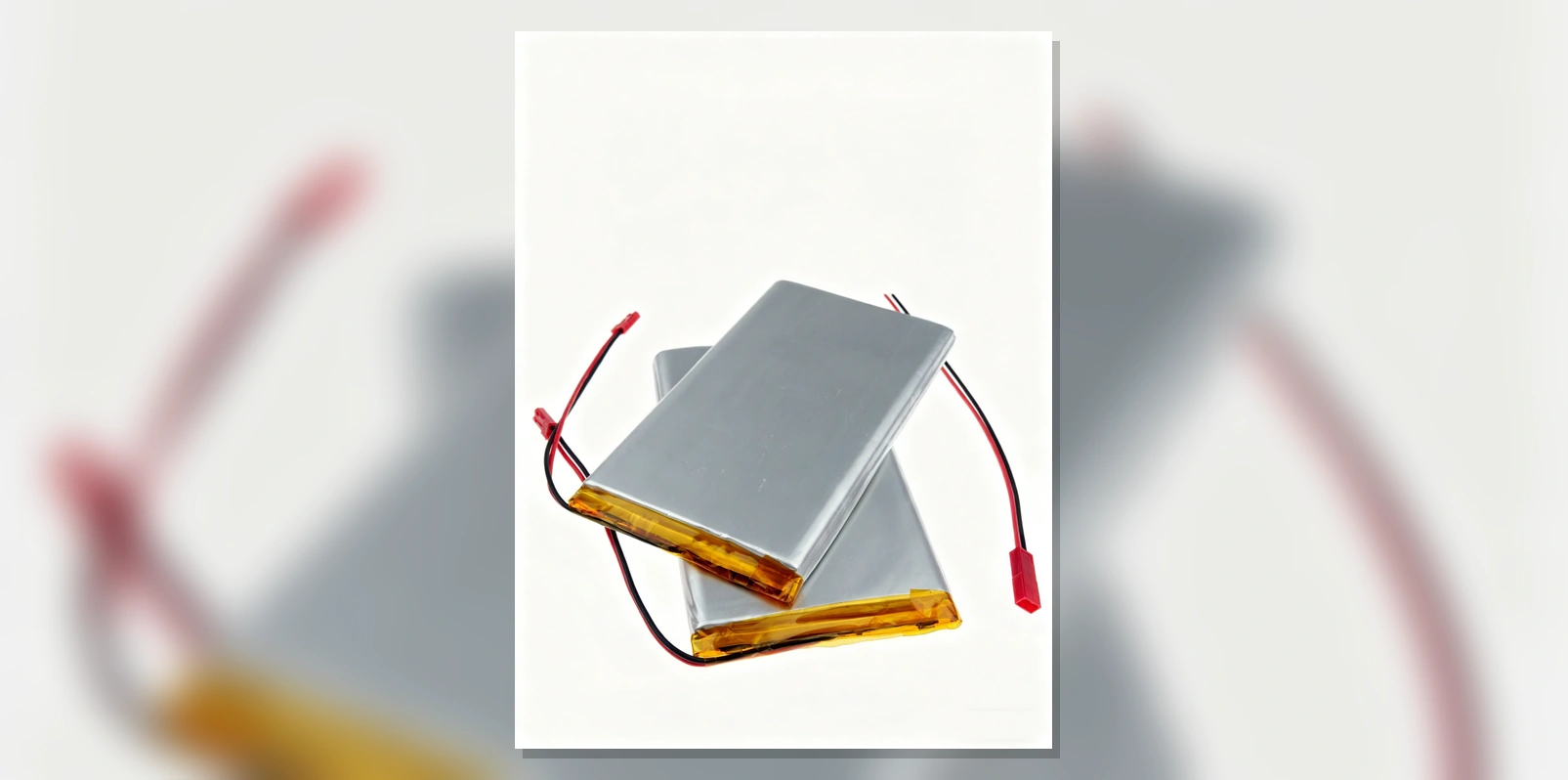
Nickel is central to many alkaline and AEM electrolyzer electrodes, meshes, current collectors, and conductive structures.
Zirconium
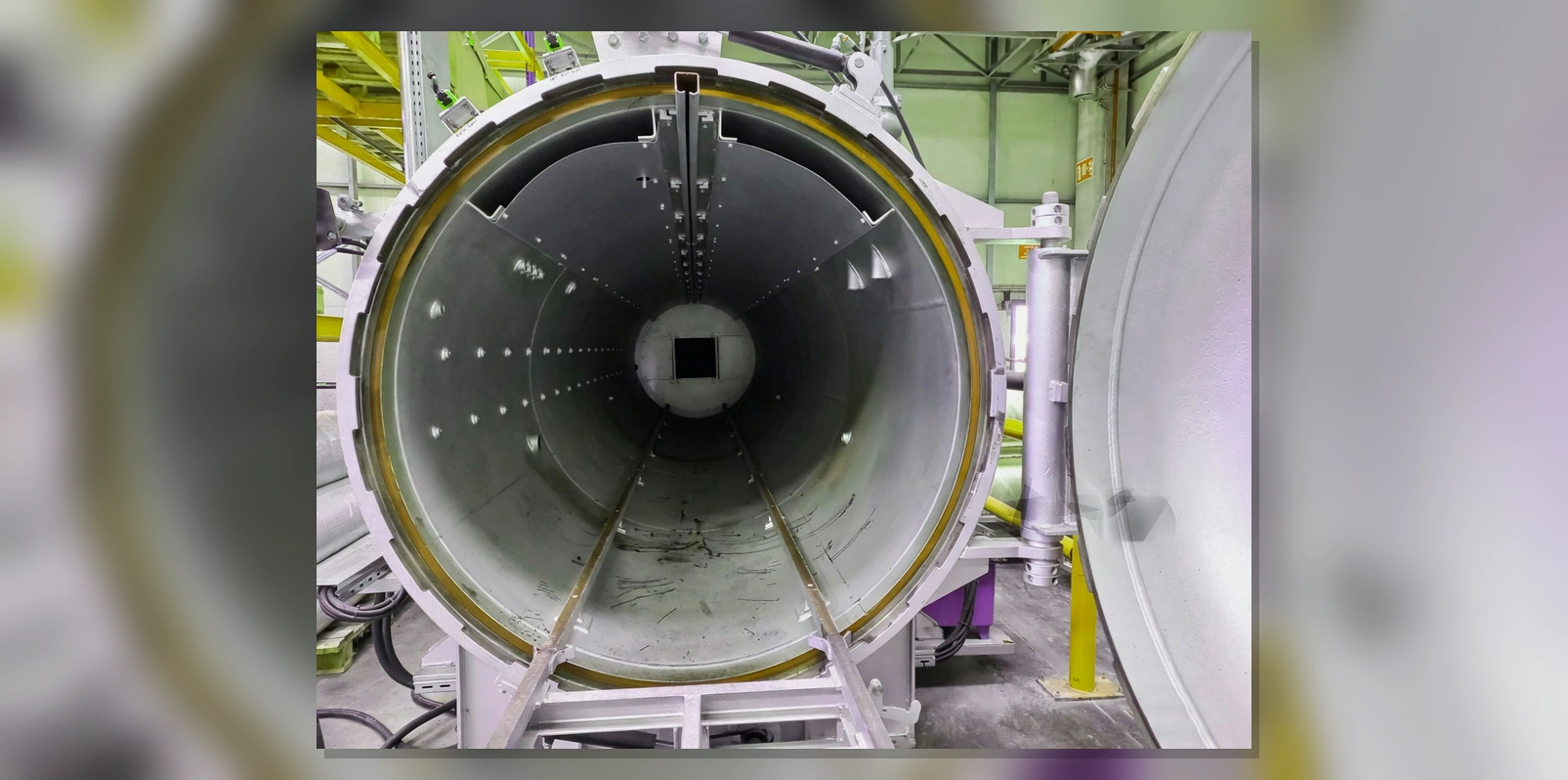
Zirconium is not a general hydrogen-system structural metal and should be positioned only for validated specialist uses.
Foil, Rod & Wire Applications
A practical sourcing guide for engineers and buyers. Final suitability should be confirmed against the specification, operating environment, and fabrication route.
| Material | Foil & Strip | Rod & Bar | Wire |
|---|---|---|---|
| Titanium | Stamped flow fields, bipolar plate skins, corrosion-resistant clad layers, current collectors, and thin separators. | Electrical connectors, structural supports, fasteners, manifolding hardware, and machined stack components. | Woven mesh, porous transport structures, sintered wire assemblies, support screens, and electrode substrates. |
| Nickel | Electrode substrates, current collectors, separators, clad bipolar plates, and formed conductive components. | Bus connections, electrode frames, conductive supports, fasteners, and machined alkaline-system hardware. | Nickel mesh, woven electrodes, wire felt, current collectors, porous structures, and resistance-heating elements. |
| Zirconium | Research electrodes, coatings, getter systems, and specialist hydrogen-storage or purification experiments. | Laboratory alloy development, getter assemblies, and special components with controlled hydrogen exposure. | Getter elements, research samples, and specialist sensing or purification assemblies. |
Selection Priorities
- Define whether the project is PEM, alkaline, AEM, fuel cell, storage, or hydrogen purification.
- Evaluate contact resistance together with corrosion stability and any required surface coating.
- Specify porosity, wire diameter, mesh geometry, cleanliness, flatness, and joining route.
Typical Components
- Bipolar plates
- Current collectors
- Porous transport layers
- Electrode mesh
- Stack fasteners
- Getter assemblies
Explore Relevant Products
Start with a product category or send a drawing, operating environment, and material standard for a more specific discussion.
Discuss your hydrogen energy
Send the material grade, product form, dimensions, service environment, material standard, drawing, and target quantity for technical review and quotation.